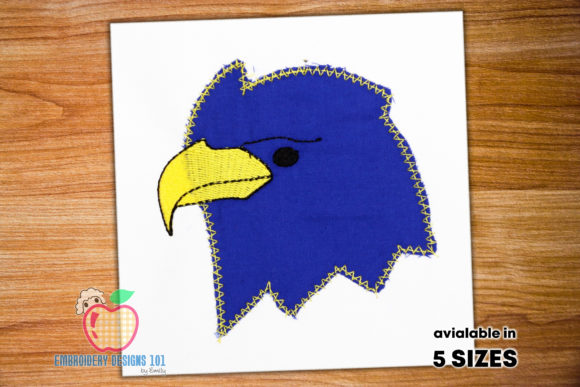
Bald Eagle Applique: A Designer’s Business Review
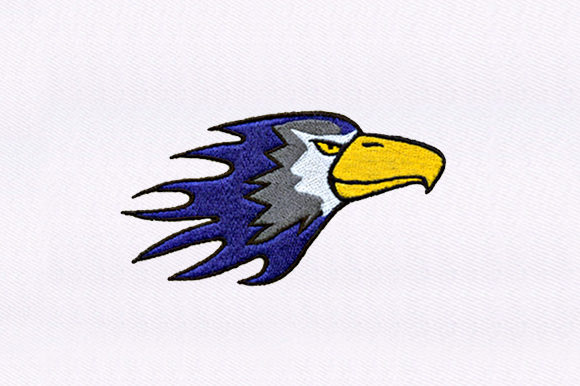
When I first previewed the Bald Eagle Applique Embroidery Design, my immediate thought wasn’t just about the clean digitizing—it was about placement strategy. As someone who builds merch systems for small businesses, I look for designs that carry weight. An eagle is a powerful visual archetype. It projects authority, tradition, and a distinctly premium feel. The description states that “your design can be one-of-a-kind depending on what material you use for your craft.” That single line tells me this machine embroidery design has the flexibility to fit a rustic outdoor brand, a polished uniform program, or a heritage-inspired product line. Let me walk you through my professional review of this file from a strict business and production standpoint.
First Impressions: Strength, Versatility, and Brand Alignment
An eagle motif inherently signals strength and reliability. For small business merch, that translates into instant brand recognition. When I analyze a new embroidery file, I look at how the shapes work within the applique framework. The Bald Eagle Applique uses bold, distinct layers, which is critical for applique success. Unlike standard embroidery that can become muddy with small details, this design relies on clean fabric cuts and precise satin borders to define the eagle’s silhouette.
The versatility is its secret weapon. Because the core of the design is an applique base, you can select a fabric that directly supports your brand identity. A denim applique base with gold thread for a premium gift shop. A faux leather base for a boutique cigar lounge. A classic broadcloth in your brand’s signature color for a local hardware store. This design adds a handcrafted, dimensional look to anything it touches. It doesn’t feel like a generic, off-the-shelf clip art conversion; it feels like a considered custom apparel element.
Optimizing the Design for Uniforms, Patches, and Merch
I always ask my clients: where will this design live? The Bald Eagle Applique performs best in specific applications. Here is where I recommend integrating this digital embroidery file into a small business merch lineup:
- Embroidered Patches (Merchandise & Uniforms): This is the strongest use case. The applique layers create a distinct, raised edge that mimics a traditional embroidered patch. For Etsy sellers or craft business owners, producing a run of Bald Eagle patches for jean jackets, work vests, or backpacks is a fast-moving inventory category.
- Apron Embroidery & Work Shirts: For a local coffee roastery, craft brewery, or woodworking studio, this design on a heavy-duty canvas or twill apron signals professional craftsmanship. The applique base holds up well to washing when properly stabilized.
- Tote Bag Design: On a structured canvas tote, the Bald Eagle Applique becomes a statement piece. It elevates a simple bag into a premium retail product. Customers perceive higher value from applique because it looks labor-intensive and artisan.
- Cap Embroidery: This design works on the front panels of a structured cap. Be mindful of the curve—a flat design can pucker. I highly recommend using a curved hoop system (like a cap frame) to maintain crisp borders on the finished product.
Production Realities: Stitch Density, Fabric, and Stabilizer
Now, let’s talk about the technical side of production. Applique is a multi-step process: placement stitch, tack-down, trimming, and cover stitch. The Bald Eagle Applique requires a disciplined embroidery operator. Here is what I check before approving a run:
- Stitch Density & Underlay: This design needs a solid underlay to prevent the applique fabric from shifting. I inspect the density of the border satin stitch. If it is too loose, the fabric edges can fray after washing. If it is too tight, the fabric might distort. Test a sample first.
- Stabilizer Choice: Cut-away stabilizer is non-negotiable for this design, especially on knit fabrics or stretchy caps. Tear-away might work on a stiff twill patch, but for any item that will be worn and washed frequently (uniforms, aprons), use a medium-weight cut-away to anchor the stitch density.
- Thread Colors & Contrast: The description implies you can choose your own material. That means you must also select thread colors that contrast strongly with the applique fabric. A dark navy thread on a black applique base is invisible. I always recommend testing a high-contrast thread combo to let the eagle’s silhouette pop.
- Hoop Size: Applique files often require a specific hoop size to accommodate the fabric placement steps. Check the file details before loading your machine. An incorrect hoop size can misalign the tack-down and cover stitches.
When to Be Cautious: Scaling and Curved Surfaces
I have seen beautiful designs fail because of poor scaling. The Bald Eagle Applique has a minimum viable size. If you are considering shrinking it down for a tiny sleeve label or a small cap back, I strongly advise against it. Applique layers require a certain surface area to register correctly. Below a certain width, the fabric patch becomes too small to handle, and the satin borders will crowd the internal details. For small spaces, stick to standard embroidery.
Curved surfaces require extra preparation. A flat chest logo on a t-shirt is straightforward. A cap front or a curved tote bag pocket introduces geometry issues. The applique fabric must lay perfectly flat inside the hoop, or you will get puckering and gapping. I always run a single sample on the exact garment type before committing to a bulk order. A printable mockup helps, but a physical stitch test is the only way to guarantee quality on textured fabric or curves.
How This Design Builds Brand Identity and Customer Trust
From a marketing perspective, the Bald Eagle Applique is a trust signal. When a customer sees a well-executed embroidered patch or chest logo on a uniform, they subconsciously associate the business with quality and permanence. For small business owners, this is invaluable. It tells the community: “We are established. We take pride in our presentation.”
For handmade brands and Etsy sellers, using a distinctive applique design sets your product apart from mass-produced items. The dimensional layering of the applique creates a tactile experience that standard direct-to-garment or screen printing cannot replicate. It adds to the handmade product value. This design asset, when photographed correctly, drives higher buyer engagement because it looks substantial and premium. Customers are willing to pay more for merchandise that looks like it was carefully constructed.
My Professional Verification Workflow
Before I hand this design over to a client for commercial embroidery, I follow a strict protocol to protect their investment and my reputation. Here is my checklist for the Bald Eagle Applique:
- Test in Black and White First: I run a single-color test to inspect the spacing of the tack-down stitch and the underlay density. This reveals any digitizing issues before I waste high-quality thread or applique fabric.
- Check the File Specifications: Look at the exact stitch count, hoop size required, and recommended thread colors from the digital embroidery file provider. Ensure they match your production equipment.
- Review Fabric Texture Compatibility: Test the design on the exact fabric you intend to use. A fleece jacket requires different stabilization than a stiff canvas apron. Make sure the applique fabric and the garment fabric work together.
- Create a Printable Mockup for Client Approval: Use the design file to generate a flat mockup showing the placement, scale, and colors. Get written approval before stitching a single piece.
- Confirm Commercial Licensing: As with any machine embroidery design you intend to sell as a finished product, ensure your license covers commercial use. Respect the designer’s terms. This is non-negotiable for a sustainable craft business.
Final Verdict: The Bald Eagle Applique is a robust, high-impact design asset for any small business focused on premium merchandise. It requires technical respect—proper stabilization, careful scaling, and precise fabric trimming—but the finish product delivers a level of professionalism that builds brand identity and customer loyalty. Add this embroidery file to your library if your client base values strength, tradition, and artisan quality.