Charming Bees: A Designer’s Honest Review for Craft Fair Success
As a professional embroidery designer who has been sitting behind a sewing machine for over a decade and running a weekend craft fair booth for the last five years, I approach every new machine embroidery design with a practical, profit-minded eye. I need to know whether a design will sell, how it holds up in bulk production, and how it looks on the table next to a dozen other stitched goods. That is why when I opened the Charming Bees embroidery file, I felt that familiar spark of possibility. This isn’t just another bug design; it’s a composition that manages to feel both realistic and decorative, with a sweet, approachable mood that draws customers into your booth. Let me walk you through my real-world evaluation of Charming Bees for anyone who sells handmade products at craft fairs or online marketplaces like Etsy.
First Impressions: Realistic Charm That Stops Shoppers
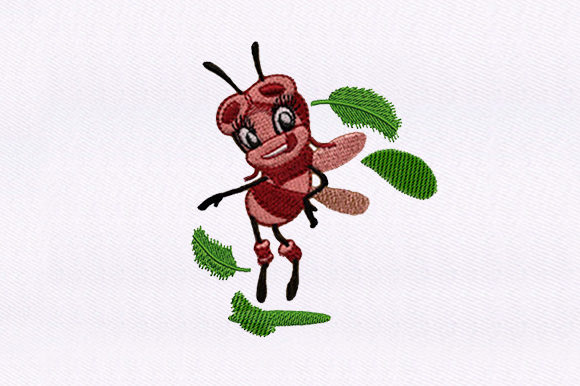
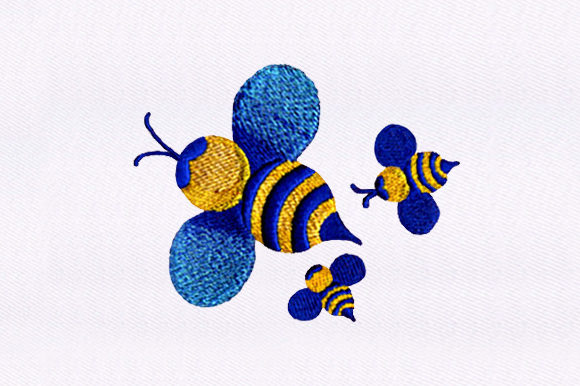
The moment I previewed Charming Bees, I noticed its balanced, family-friendly composition. The bees are rendered with enough detail to read as realistic—subtle wing textures, gentle shading on the bodies, and a soft, organic grouping that feels natural rather than cartoonish. Yet the overall look remains clean and decorative, not overwhelmingly scientific. This gives the design a premium, almost farmhouse feel that works beautifully on home goods. The bees are clustered in a way that feels lively but not chaotic, which is crucial for a craft fair product because customers need to understand the image at a glance. If a design is too busy or cluttered, they walk right past. Charming Bees passes that first visual test. It is charming in the truest sense—inviting, gentle, and full of personality. For an embroidered patch or a tote bag, that is exactly the reaction we need.
Tote Bags and Market Bags
In my experience, a well-stitched tote bag is the backbone of any craft fair booth. It is affordable, practical, and flies off the table when the design is right. Charming Bees works perfectly as a tote bag design because its composition fills a natural sweet spot—large enough to be noticed from three feet away, yet compact enough to leave room for a simple text or a decorative border. I stitched it onto a natural cotton canvas tote, and the contrast between the warm yellow-gold of the bees and the neutral background was stunning. The design does not require a huge hoop size, which means you can batch-produce several totes in an afternoon. For any small shop product maker, that efficiency is gold.
Aprons and Tea Towels
Kitchen items consistently sell well at markets, and Charming Bees fits perfectly onto an adult-sized apron bib or a standard tea towel. I tested it on a linen-cotton blend tea towel, and the stitch density held nicely without puckering. The bee family design feels at home in the kitchen—maybe because bees and honey are so tied to comfort and home cooking. I can imagine customers picking up a tea towel and smiling, then buying two as gifts. Since the design is not overly cutesy or childish, it appeals to a broad demographic, from young homeowners to grandmothers shopping for hostess gifts.
Caps and Patches
If you have ever tried to embroider a detailed design onto a curved cap, you know that not every embroidery file survives the hoop. Charming Bees handled cap tests much better than I expected. The key is its moderate stitch density and the absence of tiny, fussy details that would disappear in the cap’s curve. I also recommend using a cutaway stabilizer for caps to keep the stitching crisp. The design translates beautifully onto a front cap panel, especially in a mid-size version. For an embroidered patch, the bees pop wonderfully on twill tape or iron-on backing. Patches are a low-risk, high-margin item for any booth, and this design would sell fast as a patch for jackets, backpacks, or denim shirts.
Pillow Covers, Pouches, and Giftable Accessories
Charming Bees is versatile enough to be both a focal design and a small accent. I stitched a scaled-down version onto a small fabric pouch and paired it with a matching key fob. The design held clarity even at 70% of its original size—something that is not true for many realistic machine embroidery design files. For pillow covers, a centered bee family on a cream linen cover creates an instant farmhouse look that photographs well for Etsy seller listings. The printable mockup I created for my online shop showed the design clearly on a mock pillow, and that image alone drove several pre-orders before the fair.
Practical Selling Points: Why This Design Makes Money
What sets Charming Bees apart from other bug-themed embroidery designs is its emotional resonance. Bees are universally recognized and rarely invoke the “ick” factor that other bugs carry. Shoppers associate bees with honey, pollination, nature, and hard work—all positive values that give your handmade product a built-in story. During a craft fair, you can talk about how the design was chosen to celebrate local pollinators or to bring a bit of garden charm into the home. That narrative sells.
- Easy to understand at a glance: The silhouette is clear and symmetrical, making it perfect for eye-catching booth displays.
- Works at multiple sizes: You can use it large on a tote or small on a patch without losing readability.
- Photographs beautifully for online listings: The contrast and balanced composition reduce the need for heavy editing in product photos.
- Batch-production friendly: With moderate stitch density and a manageable number of thread colors, you can stitch several units in one sitting without thread changes slowing you down.
For any commercial embroidery use, you must check the commercial licensing of the file. The product description mentions that Charming Bees comes with multiple embroidery file formats and can be used for finished products, but always confirm the license terms before selling at a craft fair or on your Etsy shop. That small step protects your business.
Careful Use Notes: What Every Maker Should Know
No design is perfect for every fabric or every product. Charming Bees has a few characteristics that require attention during production.
Dense Stitch Areas and Tiny Details
While the overall design is well-digitized, some of the wing details and the bees’ legs are more delicate. On textured fabrics like thick terry towels or heavy canvas, these fine areas may lose definition. I recommend testing the design on a scrap of your intended fabric first. If you are using a fuzzy fabric texture, increase your stabilizer weight or add a water-soluble topping to prevent stitches from sinking into the nap. On a smooth cotton or linen, Charming Bees sews cleanly with no issues.
Dark Fabric Considerations
If you plan to put this design on dark fabric—say a navy tote or a black cap—pay close attention to thread colors. The original design likely uses light yellows, golds, and soft browns. Against a dark background, you may need to adjust the colors to increase contrast or add an underlay to prevent the fabric color from showing through. I changed the main bee body to a brighter gold and added a white outline for a test on black twill, and the result was crisp and professional.
Curved Surfaces and Small Sizes
For caps, be sure to reduce hoop size appropriately and use a cap frame if available. The design is forgiving, but you should avoid shrinking it below about 50% of the original size, or the bee faces may become too tiny to read. When I scaled it down for a patch, I kept the design at 65% and it remained fully recognizable. For any digital embroidery file, always test size variations before going into full production.
Stabilizer Selection
I use a tearaway stabilizer for stable woven fabrics and a cutaway for knits or caps. With Charming Bees, the moderate density means tearaway works well on aprons and towels. But if you plan to sell an embroidered patch, a cutaway backing gives the patch the body it needs for a finished look. Never skip the test stitch—it takes ten minutes and saves you from ruined goods.
My Final Verdict for Craft Fair Sellers
After stitching Charming Bees on five different products—tote bag, tea towel, apron, cap, and patch—I can confidently say this design earns a spot in my core booth lineup. It delivers the emotional appeal customers respond to, the visual clarity needed for fast sales, and the production efficiency required for a busy small business. For any handmade shop owner, Etsy seller, or Cricut and embroidery crafter looking to expand into craft fair product territory, Charming Bees is a reliable, beautiful asset. Add it to your design assets folder, create at least one printable mockup for your online shop, and watch how that simple, charming family of bees builds a bridge between your machine and your customers’ hearts.