Deck Boat Redwork: A Designer’s Review for Craft Fair Sellers
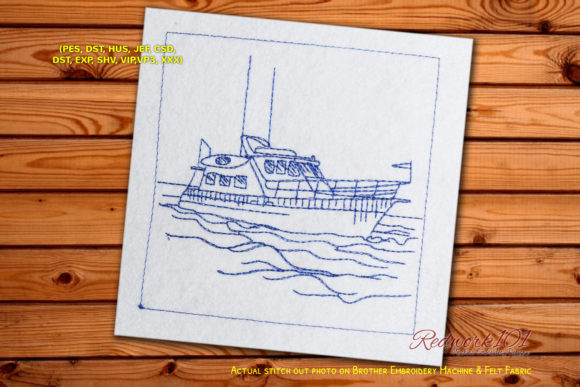
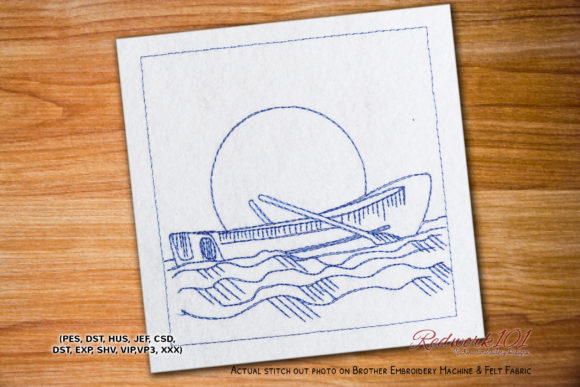
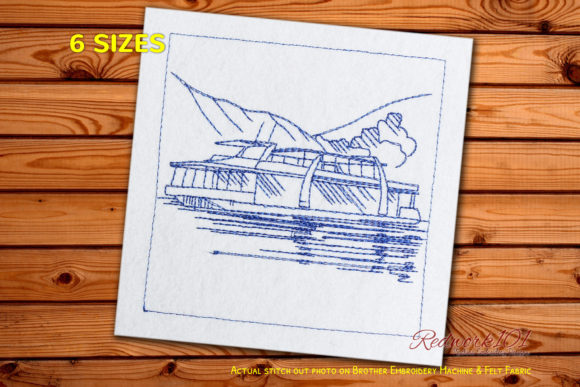
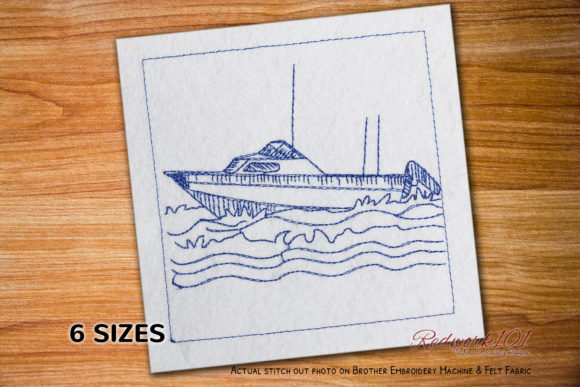
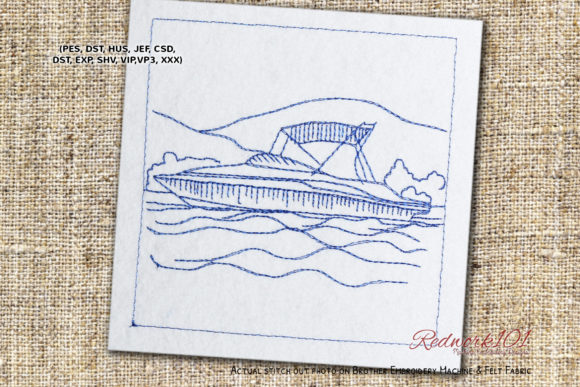
When I first opened Deck Boat Redwork as a digital embroidery file, I was immediately drawn to its clean, farmhouse-friendly silhouette. This is not a dense, overcomplicated nautical scene. It is a redwork design, which means single-color stitching with a hand-drawn, folk-art feel. The deck boat sits centered, with simple lines that read clearly from across a booth table. For anyone preparing craft fair products or handmade products for weekend markets, this machine embroidery design offers versatility without overwhelming the fabric. Let me walk through what I see as an experienced embroidery designer, evaluating how it performs on real products, what sells, and what you need to check before stitching.
First Impression: Farmhouse Meets Nautical
Deck Boat Redwork strikes me as both rustic and minimal. The redwork style gives it a vintage, sketched quality that fits right into farmhouse decor trends. It is not loud or cartoonish. Instead, it feels like a subtle nod to lake life, summer weekends, and simple outdoor living. The optional outer box stitch adds a framed look, but the description notes that the box color often differs from the main design. You can skip that color entirely if you want a cleaner, unframed version. That flexibility matters when you are producing multiple finished products for a booth and need to adapt quickly.
For customers browsing a craft fair table, this design reads well at a glance. The deck boat shape is recognizable even from a few feet away. The red thread pops against neutral fabrics like cream linen, natural cotton, or stonewashed twill. If you are aiming for a premium or handmade quality look, this design delivers without feeling cheap or mass-produced.
Performance on Craft Fair Products
Now let me break down where Deck Boat Redwork shines across the typical range of items you would bring to a market.
Tote Bags and Market Bags
This is where I see the strongest opportunity. A tote bag design with Deck Boat Redwork centered on the front panel makes an instant conversation starter. The redwork style keeps stitching time reasonable, which is critical when you are batch-producing for a show. I would recommend using a medium-weight cotton tote, natural or cream, with a tear-away stabilizer. The design sits well as a focal piece without overwhelming the bag. For market bags, this is a fast‑selling item because it feels both decorative and usable.
Apron Embroidery
An apron embroidery featuring Deck Boat Redwork works beautifully for kitchen or gardening aprons. The design fits nicely on a bib or lower pocket area. Because redwork is single-color, it does not compete with the fabric grain. I would test it on a cotton apron first, checking that the stitch density does not cause puckering around the pocket seams.
Tea Towel Embroidery
For tea towel embroidery, Deck Boat Redwork is almost perfect. Redwork was originally designed for household linens, so this feels historically appropriate. The design stitches quickly on a flour sack towel, and the red thread stands out against white or ecru. Customers love towels that tell a small story, and a deck boat says “weekend cabin” or “lake house” without needing extra text.
Embroidered Patch
If you sell embroidered patches, Deck Boat Redwork can be digitized as a standalone patch. The simple outlines stitch cleanly, and the optional box frame gives you a ready-made border. Patches are great for craft fairs because they are low-cost, easy to display, and appeal to DIY customers who want to add them to jackets, backpacks, or hats.
Caps and Hats
This design works on caps, but with caution. The curved surface of a cap can distort long straight lines. I recommend reducing the design slightly and testing on a cap hoop with a firm stabilizer. Keep the stitch density moderate. If the outer box stitch is used, it may need to be skipped on curved surfaces to avoid puckering. A cap with Deck Boat Redwork on the front panel can be a nice accent piece for a nautical-themed booth.
Small Pouches and Pillow Covers
For small pouches like makeup bags or zipper cases, the design scales down well if your digitizing software allows proportional resizing. On a pillow cover, Deck Boat Redwork becomes a subtle decorative accent. I would stitch it on a neutral linen pillow insert with a knife-edge finish. It gives the pillow a hand-stitched, artisan feel that customers pay more for.
Practical Selling and Production Points
When you are setting up a craft fair product booth, every design needs to earn its place. Here is how Deck Boat Redwork performs on the sales floor.
Ease of Understanding at a Glance
Customers understand this design instantly. A deck boat is a universally recognized shape. They do not need to squint or ask what it is. That instant recognition drives impulse buys. Because the design is redwork, it also reads as “vintage” or “hand-drawn,” which adds perceived value.
Works as Small Accent or Large Focal Design
One of the strongest points of this embroidery file is its scalability. At a smaller size, it works as a pocket accent on a tote or a corner detail on a towel. At a larger size, it becomes the centerpiece of an apron or pillow. This flexibility means you can use the same design across multiple price points in your booth.
Photographs Well for Online Listings
As an Etsy seller or small shop product owner, you need designs that photograph clearly. Redwork stitches create a clean, high-contrast image that looks great in product photos. The single color avoids color-balance issues in different lighting. I would recommend stitching one real sample and using it for printable mockups and listing photos. Customer trust when they see an actual finished product alongside a mockup.
Repeatable for Batch Production
Because Deck Boat Redwork uses only one main thread color (plus the optional box), it is fast to load and stitch. You can run multiple pieces in a row without changing thread. That is a huge advantage when you are producing 20 tote bags or 30 towels for a weekend market. Consistent results come from a stable digitized file and a well-tested hoop size.
Careful-Use Notes for Machine Embroidery
No design is perfect out of the box. Here are the key points I check before mass production.
Dense Stitch Areas
Redwork is generally low-density, but if the digitizing includes fill areas or heavy satin borders, you may get stiffness. Check the design on scrap fabric first. If the deck boat outline uses too many overlapping stitches, reduce density or switch to a lighter thread colors to avoid a bulky feel.
Tiny Details and Small Lettering
If your version of Deck Boat Redwork includes small text or fine details like railings, test it at your intended size. Some machine embroidery design files lose clarity when scaled below a certain threshold. If details blur, consider removing the outermost box or simplifying the element.
Thick Fabric and Textured Towels
On thick fabrics like canvas or terry towels, redwork can sink into the weave. Use a water-soluble topping and a medium-weight cut-away stabilizer. Test a stitch-out on the exact fabric you plan to sell. If the red thread gets lost in the texture, switch to a slightly thicker thread or increase the density by 5–10 percent.
Curved Cap Surfaces
As mentioned earlier, caps are tricky. The design should be no larger than 2.5 inches wide to fit the front panel. Skip the outer box stitch on caps, because the frame will distort. Use a cap frame and a firm stabilizer to keep the fabric taut.
Dark Fabric
Redwork on dark fabric loses visibility unless you use a bright red or a contrasting thread. If you plan to stitch on navy, black, or dark green, consider using a thread color like bright cherry or even a white or gold metallic. The design itself is simple enough to handle a color change, but the term “redwork” implies a single color, so test carefully.
Smaller Size Clarity
If you reduce Deck Boat Redwork to under 3 inches, the boat details may become too tight. Always run a test stitch-out at your intended size before cutting fabric for sale. Keep a log of what sizes work best for each product type.
How Deck Boat Redwork Affects Visual Appeal, Customer Attention, and Booth Strength
In a craft fair setting, your booth needs to stop people walking by. Deck Boat Redwork does that through simplicity. The red thread creates a warm, nostalgic focal point that draws the eye without shouting. It fits a Transportation theme naturally, but it does not feel industrial or technical. Instead, it feels personal, like a hand-drawn sketch of a favorite boat.
Customers browsing handmade goods are often looking for items that feel authentic. This design delivers that. It adds a story to a tote or towel. The buyer imagines taking it to the lake house or giving it as a gift to a boating enthusiast. That mental connection closes sales.
For booth display strength, I would group Deck Boat Redwork products together. Hang a tote bag and a towel side by side. Stack a few patches in a basket next to a pillow cover. The repetition of the same design across different items builds brand consistency. Customers start to recognize your style. That recognition leads to multiple purchases and return visits.
For buyer engagement, this design invites questions. People will ask, “Did you draw that yourself?” or “Is that a specific boat?” The story behind the design gives you a chance to connect with each shopper. That engagement is gold for a small business.
Embroidery Designer’s Notes Before Production
Before you stitch dozens of items for your next show, here is my practical checklist.
- Test the design on scrap fabric using the exact material you plan to sell. Check stitch density, thread tension, and registration.
- Check thread contrast against your fabric colors. Redwork only works if the thread stands out clearly. A dark red on navy is invisible. A bright cherry red on cream is stunning.
- Review spacing around the design. Leave at least one inch of margin on all sides to avoid crowding seams or hems.
- Confirm hoop size before cutting fabric. If the design requires a 5x7 hoop but you only have a 4x4, you will need to resize or split the design. Know your hoop size limits.
- Inspect stitch density for any areas that may cause puckering. If the outer box stitch is used and feels too heavy, skip that element. The design description says the box color is often different and can be omitted.
- Use the right stabilizer. For towels, use a water-soluble topping and a tear-away backing. For bags and aprons, a medium-weight cut-away stabilizer provides lasting support.
- Create at least one real mockup of each product type. A photo of an actual stitched item will outsell a digital mockup every time. Use that photo in your Etsy seller listings and on your booth signage.
- Compare fabric colors with your thread. Lay the thread spool directly on the fabric before stitching. What looks good on a screen may not work in person.
- Confirm commercial licensing before selling finished products. Check the terms of your digital embroidery file purchase. Some licenses allow unlimited commercial use; others require a separate fee. Know your rights.
Deck Boat Redwork is a solid addition to any craft fair product lineup. It works across categories, from tote bag design to embroidered patch to tea towel embroidery. With proper testing and attention to fabric choice, it will produce consistent, saleable results. I would stitch a few samples in different sizes, photograph them well, and let the design speak for itself at your next market.