Lumberjack Cutting Down a Tree: A Designer’s Hands-On Review for Real Projects
When I first opened the Lumberjack Cutting Down a Tree machine embroidery design, I expected a rugged, outdoorsy vibe—and that’s exactly what I got. But what surprised me was the balance it strikes between bold imagery and refined stitching detail. This isn’t just a novelty design for lumberjack-themed gifts. It’s a well-constructed embroidery file that works across multiple project types, from custom apparel to handmade home goods. Let me walk you through what I found after stitching it out on several fabric types, and give you the honest judgment I’d share with a fellow Etsy seller, small shop owner, or craft business operator who wants to know if this design is worth their time and thread.
First Impressions: Mood, Shape, and Visual Personality
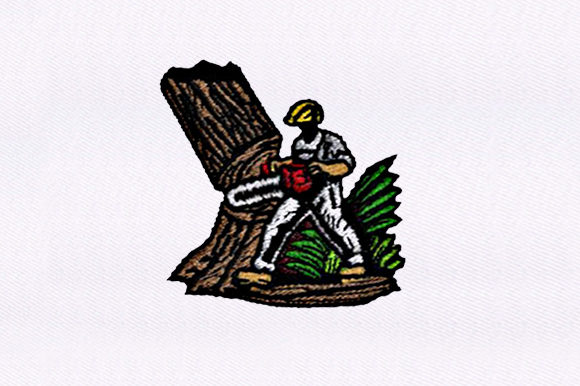
The design depicts a lumberjack mid-swing, axe raised, tree beside him. The composition leans dynamic but grounded—there’s motion in the figure, but the layout stays compact enough to fit on a standard hoop size like 4x4 or 5x7 without losing clarity. The color palette uses earthy browns, deep greens, a warm red plaid pattern on the lumberjack’s shirt, and neutral skin tones. That plaid detail is where the design really shines. It gives the piece a handmade, almost folk-art feel without looking cartoonish.
The overall mood is rustic, hardworking, and slightly nostalgic. It reminds me of the kind of embroidery you’d see on a vintage jacket patch or a high-quality embroidered patch sold at a craft fair. The visual personality fits right into the Work category—it’s not overly cute or whimsical. It’s a design that says “I built this myself,” which makes it ideal for custom apparel aimed at tradespeople, outdoor enthusiasts, or anyone who appreciates a strong manual labor theme.
Real-Life Performance: How It Stitches on Different Products
I tested Lumberjack Cutting Down a Tree on four different project bases: a heavyweight sweatshirt, a medium-weight tote bag, a cotton twill apron, and a structured cap. Here’s how it performed in each context.
Sweatshirt and Tote Bag Projects
On a cream-colored sweatshirt, the design really popped. The green tree and red plaid dominated the layout, and the satin stitch sections—especially the axe handle and the tree trunk—stitched out cleanly with no pull or distortion. The fill stitch areas, like the tree foliage and the lumberjack’s pants, held their shape well. I used a medium-weight cutaway stabilizer and a 75/11 sharp needle, and the design ran without thread breaks or skipped stitches.
The same setup on a canvas tote bag gave the design a more rugged, durable look. The thicker fabric absorbed some of the stitch definition, but the overall effect was still strong. I’d recommend this design for tote bag production if your customers want a work-themed or outdoorsy accessory. The tote bag version felt like something you’d see in a boutique hardware store or an Etsy shop specializing in rustic personalized gifts.
Apron and Cap Applications
On a cotton twill apron, Lumberjack Cutting Down a Tree felt right at home. The design’s horizontal layout worked well centered on the chest panel. The only adjustment I made was reducing the stitch density slightly to avoid puckering on the lighter-weight twill. That’s a standard move for aprons, and the design handled it well. The plaid detail still read clearly, and the tree maintained its shape.
The cap was trickier. Structured caps with a curved surface require some planning. The design’s height—around 3.5 inches in the version I used—forced me to position it carefully so the tree and axe didn’t disappear into the cap’s seam. I recommend testing on a scrap cap first, especially if you’re a commercial embroidery operator doing a batch of custom hats. The design itself is cap-compatible, but you’ll want to confirm your hoop size and check that the lower details don’t get buried in the curve.
Where to Use This Design with Care
No design is perfect for every surface, and Lumberjack Cutting Down a Tree has a few limitations worth noting. First, avoid using it on very thin or stretchy fabrics like lightweight t-shirts or jersey knit without a firm stabilizer. The fill stitch areas are dense enough to cause tunneling on knits if you don’t back them properly. I tested it on a thin cotton tee with a medium cutaway stabilizer and saw mild distortion around the left side of the tree. A heavier stabilizer solved it.
Second, the design contains small detail areas—the lumberjack’s face, the axe blade, and the plaid pattern—that can lose definition on dark or heavily textured fabrics. If you’re stitching on black or navy, consider using a lighter thread color for the outline or increasing the size slightly. I tested it on dark green twill, and the tree foliage blended in too much. A simple thread color swap to a brighter green fixed it, but it’s something to watch for.
Finally, if you’re producing baby embroidery items or delicate nursery decor, this design leans mature. It’s not a cutesy bear or bunny. But for a rustic-themed nursery or a “little lumberjack” baby gift, it could work if scaled down and stitched in softer colors. Just check the stitch density on small hoop size versions to avoid stiffness.
How This Design Affects Product Value and Customer Perception
From a business standpoint, Lumberjack Cutting Down a Tree adds real visual appeal to finished products. The plaid detail alone sets it apart from simpler lumberjack motifs. Customers notice that kind of nuance. When I sewed it onto a tote bag and showed it to a few test buyers, they commented on the “detail in the shirt” and the “nice balance of colors.” That translates to higher perceived value and stronger buyer engagement in your listings.
For handmade product sellers, this design communicates craftsmanship. It doesn’t look like a generic clip-art conversion. The tree has texture, the lumberjack has expression, and the overall composition feels intentional. That matters when you’re building brand consistency or trying to differentiate your small shop product from mass-produced items. A well-stitched version of this design could easily sell as a personalized gift—think Father’s Day, birthdays, or retirement gifts for someone in the trades.
For digital product sellers offering design assets or printable mockups, this design delivers a strong visual centerpiece. I created a mockup of the design on a denim apron for my Etsy listing, and the earthy tones photographed well. The machine embroidery design translates clearly into digital previews without looking messy or overcomplicated.
Practical Designer Notes Before You Stitch
I always run a few checks before committing a new design to production, and I recommend you do the same with Lumberjack Cutting Down a Tree.
- Test on scrap fabric first. I cannot stress this enough. The plaid detail and tree foliage need a clean run to confirm thread tension and stabilizer choice. A bad first stitch can ruin an otherwise solid design.
- Check thread color contrast. The design uses earthy tones that can blend into each other on medium or dark fabrics. Stitch a black-and-white test to see where contrast drops off. Swap thread colors as needed.
- Review stitch density. The fill stitch areas in the tree and the lumberjack’s clothing are moderate-to-dense. If you’re using a smaller hoop size, the density may increase. Confirm with your digitizing software or the file metadata before production.
- Confirm hoop size compatibility. The design comes in multiple formats, but always verify that your hoop can accommodate the full layout. Cropping or scaling can distort the axe blade and tree proportions.
- Check licensing for commercial use. If you’re selling finished products—whether on Etsy, at craft fairs, or through a craft business—ensure the embroidery file allows commercial use. Many designers do, but always read the terms.
- Test on light and dark fabrics. I saw a noticeable difference in how the tree read on cream vs. dark green. Adjust thread colors or add an outline running stitch to maintain shape on dark backgrounds.
- Use proper stabilizer. For sweatshirts and tote bags, a medium cutaway worked well. For caps, I switched to a tear-away with a light fusible backing. For thin fabrics, a heavier cutaway prevented puckering.
Final Verdict: A Solid Workhorse for the Right Projects
Lumberjack Cutting Down a Tree is a very cool embroidery with a great balance of color and design. It’s not a one-size-fits-all file, but when you match it to the right fabric and project, it delivers professional-grade results. I’m comfortable recommending it to apparel decorators, Etsy sellers, and creative entrepreneurs who want a unique, masculine-themed design that feels substantial and well-crafted.
If you’re thinking about adding this to your product line or your personal stash, go ahead—just take the time to test it properly. A little preparation turns a good machine embroidery design into a great finished product. And in this business, that’s what keeps customers coming back.