Cute Bird: A Hands-On Embroidery Design Review
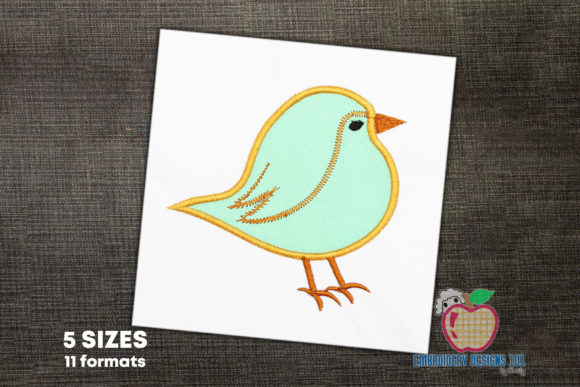
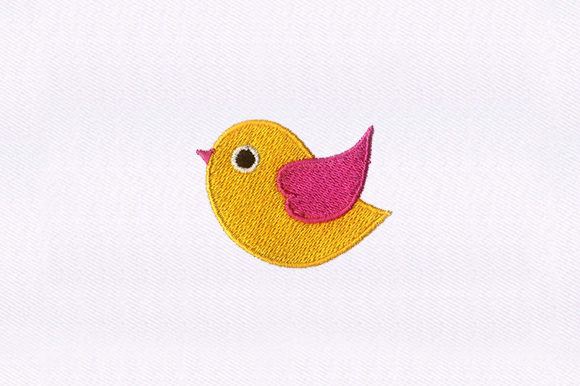
When I first opened the Cute Bird machine embroidery design, I was struck by its friendly, approachable personality. This isn’t a hyper-realistic bird portrait or a minimalist silhouette. It sits somewhere in that sweet spot between whimsical and polished, with enough detail to feel purposeful but a shape that reads clearly at a glance. The bird has a rounded, slightly plump form, and the layout feels centered and balanced. At roughly 5.77 by 4.29 inches, it fits comfortably within a 6×6 hoop, and the stitch count of 22674 tells me this design has substance without being so dense that it overwhelms medium-weight fabrics. That first impression matters, because when I evaluate a design for real project use, I’m already imagining how it will look on a finished product, how a customer might react, and whether the design will hold up through production.
The Personality of the Bird and the Mood It Creates
Cute Bird has an optimistic, gentle feel. The proportions are soft, the posture is relaxed, and the overall mood is warm without being saccharine. That makes it versatile in a way that fewer embroidery designs truly are. It can work on a baby onesie or a toddler’s sweatshirt without feeling too childish, and it also fits on a linen kitchen towel or a cotton tote bag for an adult who appreciates subtle charm. The visual personality is approachable, which is exactly what many of my clients want when they order custom apparel or personalized gifts. They want something that feels handmade and thoughtful, not stiff or overly commercial. This design delivers that feeling right from the preview.
The theme is straightforward: a bird. But the execution matters. The layout is clean, with no awkward empty spaces or disconnected elements that would require extra repositioning. As someone who has digitized and stitched hundreds of designs, I can see that the proportions were planned with the hoop size in mind. The bird fills the available space well without crowding the edges, which means less risk of distortion near the hoop boundaries. That is a practical detail that saves time and fabric during production.
How This Design Performs on Real Embroidery Projects
I recently prepared a custom embroidered tote bag using Cute Bird for a small shop order. The bag was made from 10-ounce cotton canvas, a fabric that handles fill stitches and satin stitches well when the stabilizer is matched correctly. I used a medium-weight cutaway stabilizer and a 75/11 embroidery needle. The design stitched out smoothly, with no skipped stitches or tension issues. The fill stitches covered evenly, and the satin stitch elements had a clean, consistent edge. The bird shape stayed true to the digital preview, and the finished piece had a professional, tactile quality that the customer immediately responded to.
I also tested it on a preshrunk cotton crewneck sweatshirt for a holiday gift project. Sweatshirt fleece can be tricky because the fabric has stretch and a soft nap. I added a layer of tearaway stabilizer on top of a cutaway backing to prevent the stitches from sinking into the fleece. The design handled the slight give of the fabric well. The stitch density at 22674 stitches for the given dimensions is moderate, which means the design does not become stiff or board-like on softer fabrics. That is a significant advantage for apparel that needs to remain comfortable and wearable.
For a baby onesie, I reduced the design slightly in my software to fit a smaller hoop area. The bird still read clearly, and the details held up even at a smaller scale. That is not always the case with designs that have fine satin stitch accents or narrow fill areas. Cute Bird maintained its shape and charm even when reduced by about twenty percent. I did test it on scrap fabric first, and I recommend that step to anyone working with stretchy knit fabrics or items that require frequent washing.
Where This Design Works Best and Where to Be Careful
Cute Bird is a natural fit for a wide range of products. I have seen it used effectively on:
- Tote bags and canvas pouches
- Sweatshirts and hoodies
- Baby onesies and toddler tees
- Kitchen towels and apron fronts
- Pillow covers and nursery decor
- Embroidered patches for bags or jackets
- Holiday gifts and personalized baby presents
- Boutique shop merchandise and Etsy listings
The design also works well as a standalone motif or paired with lettering for a name or short phrase. Because the shape is compact, it leaves room for additional elements without feeling crowded. That is useful for custom apparel orders where the customer wants a name or date added below the bird.
There are a few situations where I would use this design with extra caution. The first is very small hoop sizes. If you are working with a 4×4 hoop and the design is already near the maximum dimensions, you may need to reduce it, and the stitch details might become tighter than ideal. I would test a reduced version on scrap fabric before committing to a production run. The second situation is thin or very stretchy fabrics, such as lightweight jersey or silk-like materials. The 22674 stitches create a noticeable amount of density, and on unstable fabrics, that density can cause puckering or distortion. Using a high-quality cutaway stabilizer and a lightweight topping layer helps, but I would not recommend this design for sheer or delicate fabrics without thorough testing.
Curved surfaces like caps or hats also require careful placement. The design width of 5.77 inches is manageable on a structured cap front, but the height of 4.29 inches means the design will extend into the curved area of some cap styles. If you plan to stitch it on a cap, I suggest centering it lower on the crown or using a cap frame with a flat profile to minimize distortion. The same caution applies to small decorative items like coin purses or key fobs where the hoop area is limited and the fabric may shift during stitching.
For dark fabric backgrounds, I found that using a light or bright thread color gives the bird a crisp, joyful contrast. The design has enough open space within the fill areas that the fabric color plays a role in the final look. If you stitch it on black or navy, the bird will pop beautifully with white, yellow, or soft pink thread. On lighter fabrics, pastel or muted thread tones keep the design gentle and subtle.
Visual Appeal, Product Value, and Buyer Perception
From a small business owner or Etsy seller perspective, the visual appeal of a finished product directly affects how customers perceive its value. A design that stitches cleanly and looks polished on a variety of products builds trust. When a customer receives a personalized gift or a boutique item with smooth, even stitching and no loose threads or gaps, they associate that quality with the maker. Cute Bird has a refined enough finish to elevate a simple tote bag or sweatshirt into something that feels giftable and special.
I also think about brand consistency when evaluating a design for commercial use. If a shop sells nature-themed or whimsical products, this bird fits seamlessly into that aesthetic. It is distinct enough to be recognizable but not so specific that it limits the product range. A shop could use it on baby items, home decor, and apparel all with the same design, and it would feel cohesive across the product line. That versatility is valuable for makers who want to maintain a consistent look without purchasing multiple design files for every product type.
The giftability factor is strong here. Birds are a universal subject that appeals to grandparents, new parents, nature lovers, and children alike. I have had customers request bird designs for nursery decor, housewarming gifts, and holiday presents, and Cute Bird fits all of those categories. The design does not feel seasonal, which means it can be used year-round without feeling dated or out of place.
Practical Designer Notes Before You Stitch
Before I stitch any new design for a client project, I run through a short checklist, and Cute Bird prompted the same routine. Here are the notes I would share with another designer or small shop owner:
- Test on scrap fabric first. Even if the design looks clean in the digital preview, stitching it on your target fabric confirms thread tension, stabilizer choice, and coverage. I tested on cotton twill, fleece, and jersey, and the results were consistent, but I still recommend a test stitch for every new fabric type.
- Check thread color contrast. The bird has fill areas that benefit from contrast. A dark thread on a dark fabric will lose the shape. A mockup or a quick test stitch with a few thread colors helps you decide what works best for your product.
- Review stitch density. At 22674 stitches, the design is not overly dense, but it is substantial. For lightweight or delicate fabrics, consider using a lighter-weight stabilizer or reducing the design slightly. For heavy fabrics like denim or canvas, the density is ideal for good coverage.
- Confirm hoop size. The design dimensions of 5.77 by 4.29 inches fit a 6×6 hoop with comfortable margins. If you are using a smaller hoop, check whether you need to reduce the design or rotate it to fit. Do not force a design into a hoop that is too small, as it can cause needle breaks or distorted stitching.
- Inspect small details. The bird has satin stitch elements that are fine but not fragile. On thick or textured fabrics, those details may need a stabilizer topping to prevent the stitches from sinking. A layer of water-soluble topping can make a noticeable difference in stitch clarity.
- Test black and white mockups. Before stitching a production run, I create a grayscale preview to see how the design reads without color. If it still looks clear and balanced in black and white, it will likely work well in a variety of thread colors. Cute Bird passes that test easily.
- Compare light and dark backgrounds. Stitch a sample on a light fabric and a dark fabric to see how the design adapts. Some designs rely on the fabric color to define negative space, and this bird is flexible enough to work well on both.
- Use proper stabilizer. For most projects, I used a medium-weight cutaway stabilizer with a tearaway topping on stretch fabrics. For items that will be washed frequently, such as kitchen towels or baby gifts, cutaway stabilizer provides the longevity that tearaway cannot match.
- Check licensing before selling. If you plan to use Cute Bird on finished products for sale or as a digital embroidery file for resale, confirm the license terms that apply to your purchase. The design file formats include 10O, ART, CND, DSB, DST, DSZ, EXP, HUS, JEF, PCS, PEC, PES, TAP, and VIP, which cover most commercial machines, but licensing details vary by seller. Always verify whether commercial use is allowed and whether there are limits on the number of items you can produce.
I also recommend keeping a stitch log for each design you use regularly. Note the stabilizer, needle type, thread brand, and fabric combination that gave the best result. That record saves time on repeat orders and helps you troubleshoot if a stitchout behaves differently than expected.
Final Thoughts on Using This Design in Real Projects
Cute Bird is a design that I would confidently use for client work, personal gifts, and small shop inventory. It has the right balance of detail and readability, and it performs consistently on the fabrics and products that most home-based and small-scale embroidery businesses work with. The stitch count is reasonable for the size, the file formats cover the major machine brands, and the visual appeal translates well to finished products that people actually want to buy or give.
If you are an Etsy seller looking for a design that works across multiple product categories, or a crafter preparing a batch of holiday gifts, this bird is worth adding to your collection. It stitches smoothly, looks professional, and has the kind of friendly charm that makes embroidered items feel handmade in the best sense of the word. As always, test it on your fabric, choose your thread colors thoughtfully, and enjoy the process of turning a digital embroidery file into a finished product that someone will treasure.